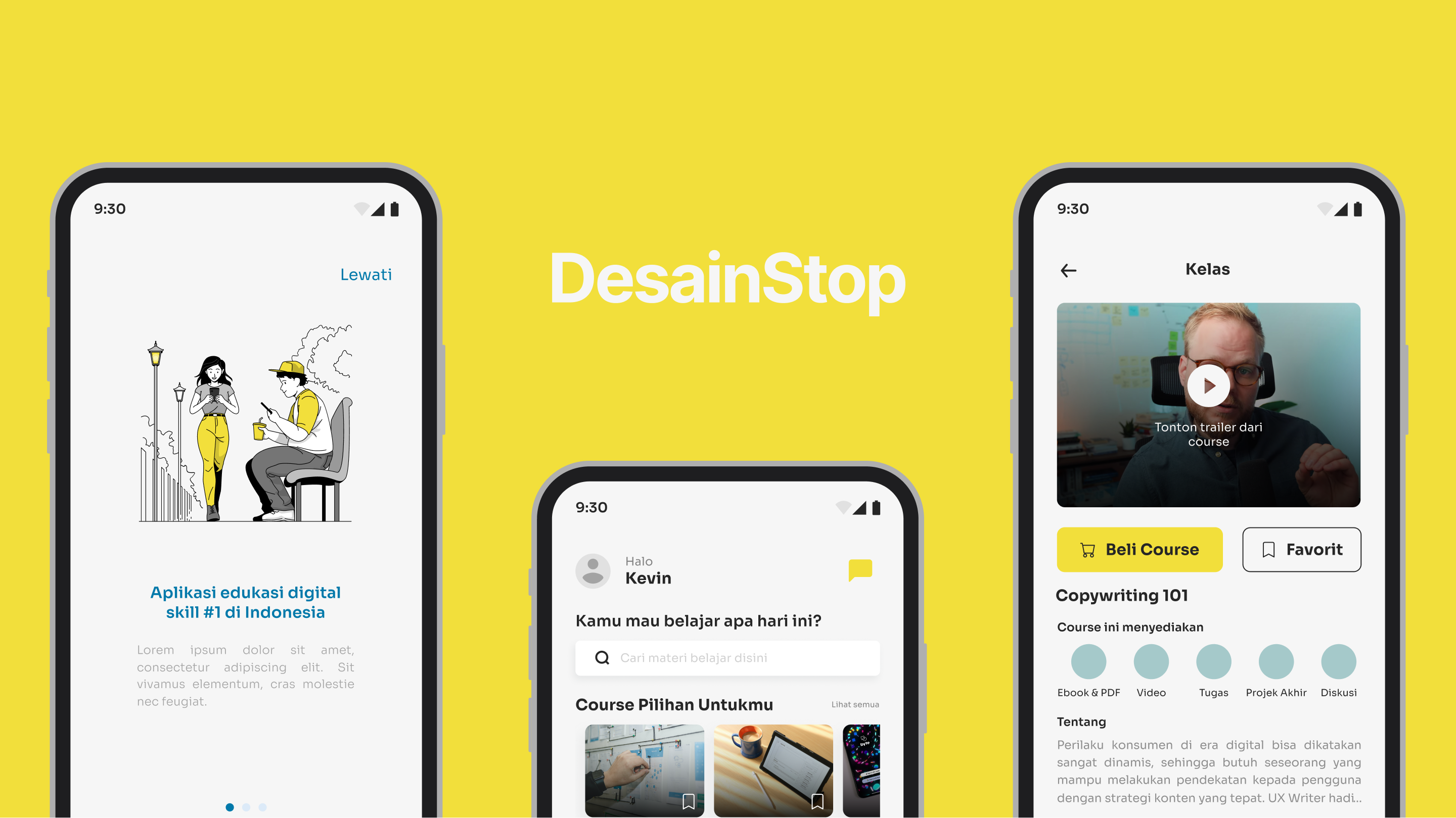
Project Background
Designstop is a UX Design learning platform concept created during the Sanbercode Bootcamp, an educational program focused on UX Design. The project was completed within one week, where I took on dual roles as both UX Researcher and UI Designer.
Problem Statement
Aspiring UX designers often seek a structured and guided learning experience. They want a platform that not only provides clear, curriculum-based lessons but also offers hands-on practice opportunities and personalized mentorship to support their learning journey.
Target Users
Based on initial assumptions and hypotheses, the project targets individuals who want to learn UX Design—both beginners exploring the field for the first time and learners with prior experience who wish to deepen their skills.
Scope & Constraints
This project was developed under tight deadlines, with daily deliverables assigned by the bootcamp. Due to time limitations, several areas—including usability testing and in-depth validation—could not be fully explored. Further iterations and extended research would improve the product’s overall effectiveness.
Research Process
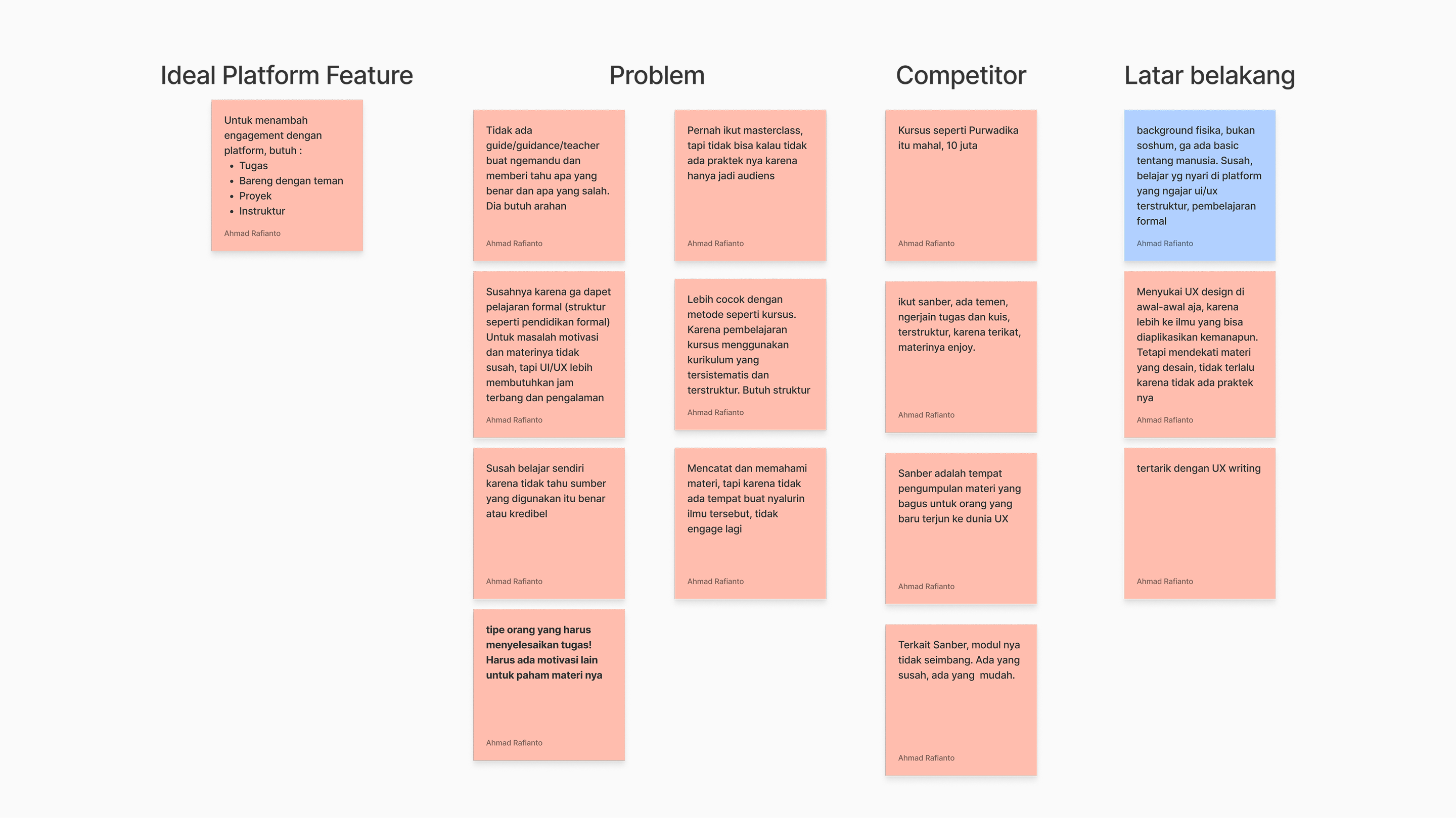
Through user interviews and affinity mapping, several key insights emerged:
Many learners struggle to start designing due to lack of practical experience and proper guidance.
Users need mentorship to help them navigate challenges and validate their design decisions.
Motivation increases when learners have peers and community support.
In summary, users desire structured learning, mentorship, and a collaborative environment that helps them apply UX theory through guided practice.
Define Phase
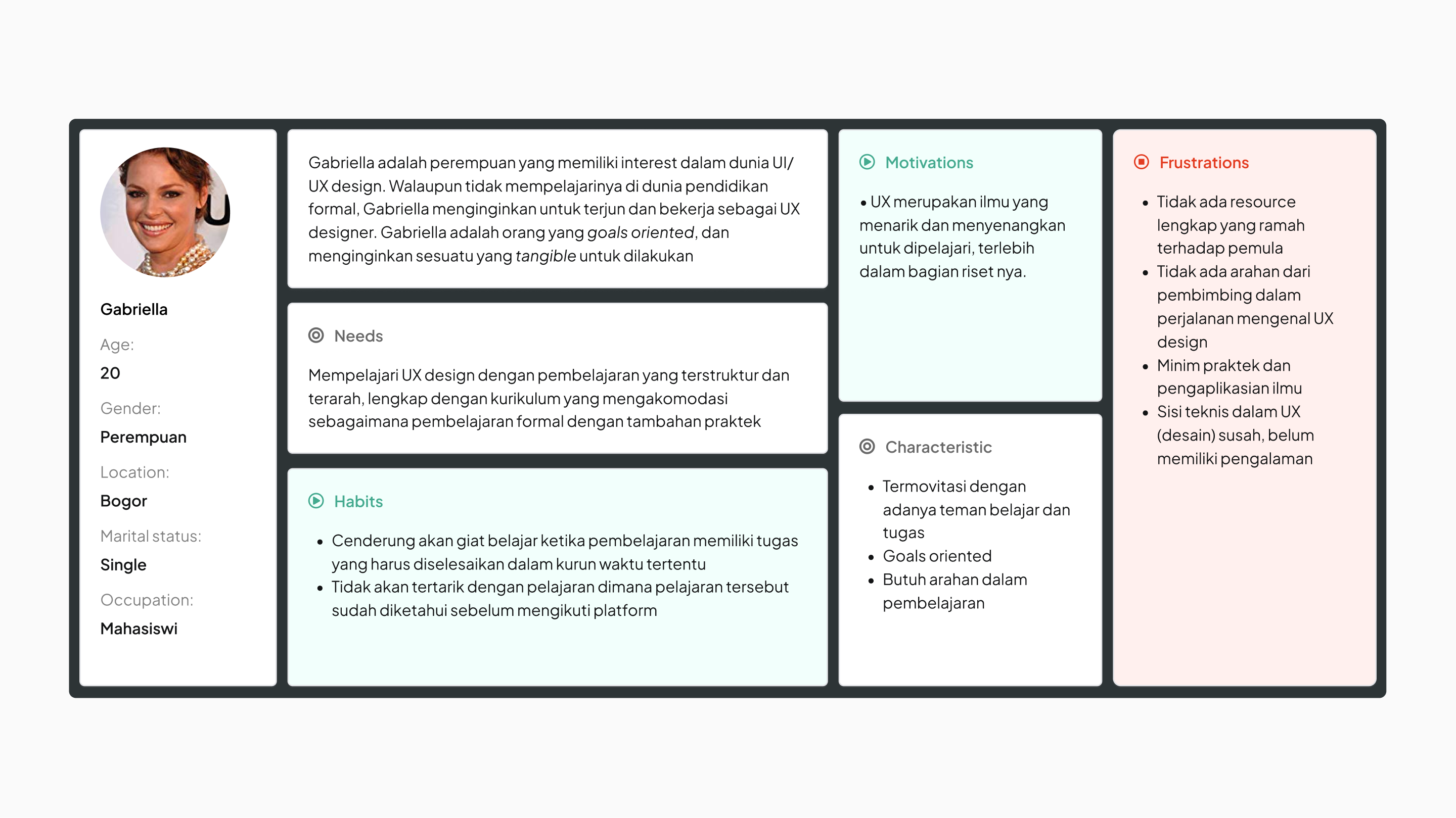
A user persona was created to represent the key characteristics, needs, motivations, and frustrations of our target users. This persona became the foundation for defining the platform’s essential features and guided the development of the prototype.
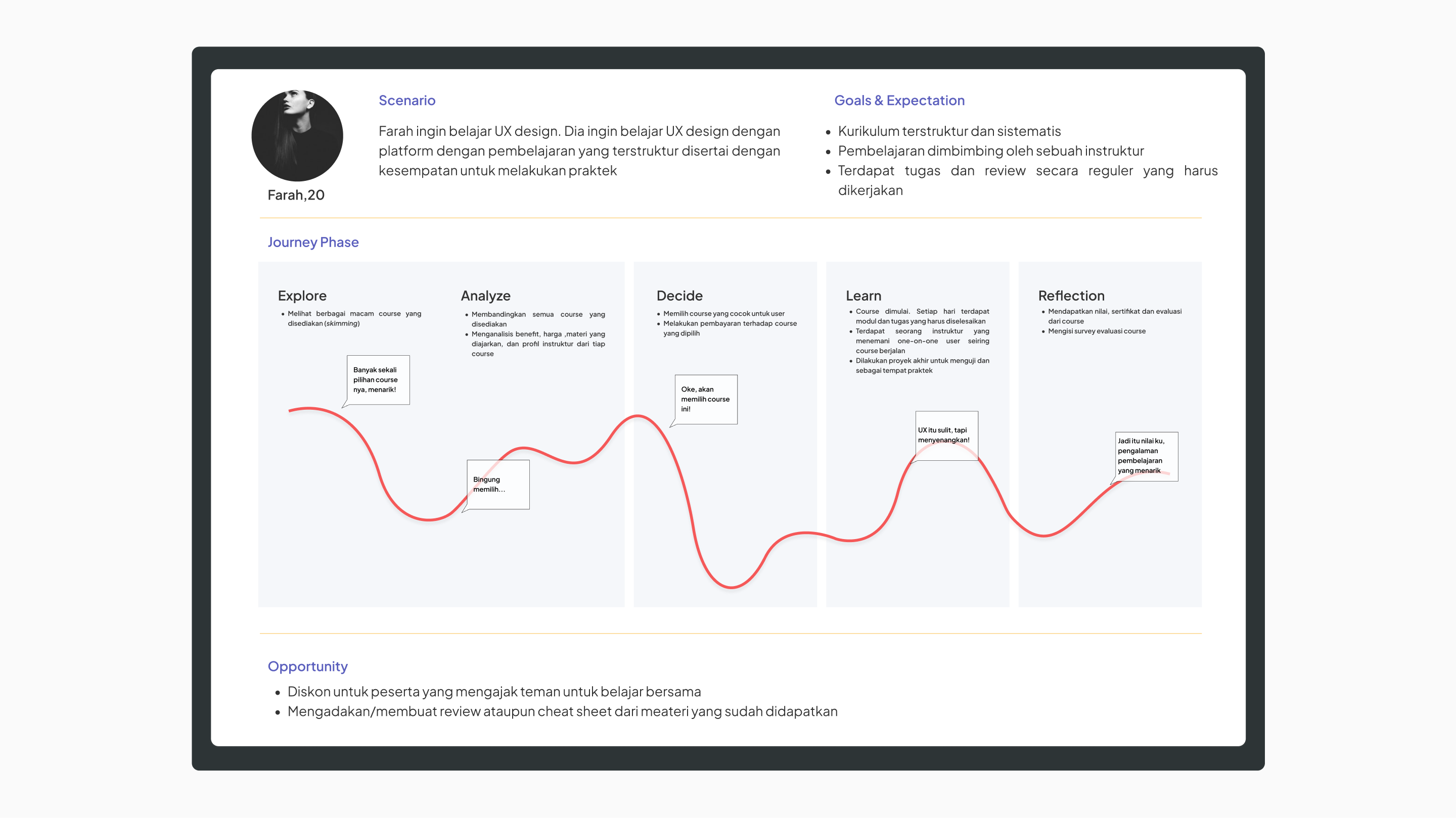
Key Insights from Research:
Users prefer structured learning with clear curriculum and assignments.
Peer learning and community engagement increase motivation.
Mentorship ensures smoother learning by clarifying right and wrong approaches.
Users have varying interests across UX disciplines, such as Research and UX Writing, and want flexibility to explore these areas.
Wireframes & Prototype
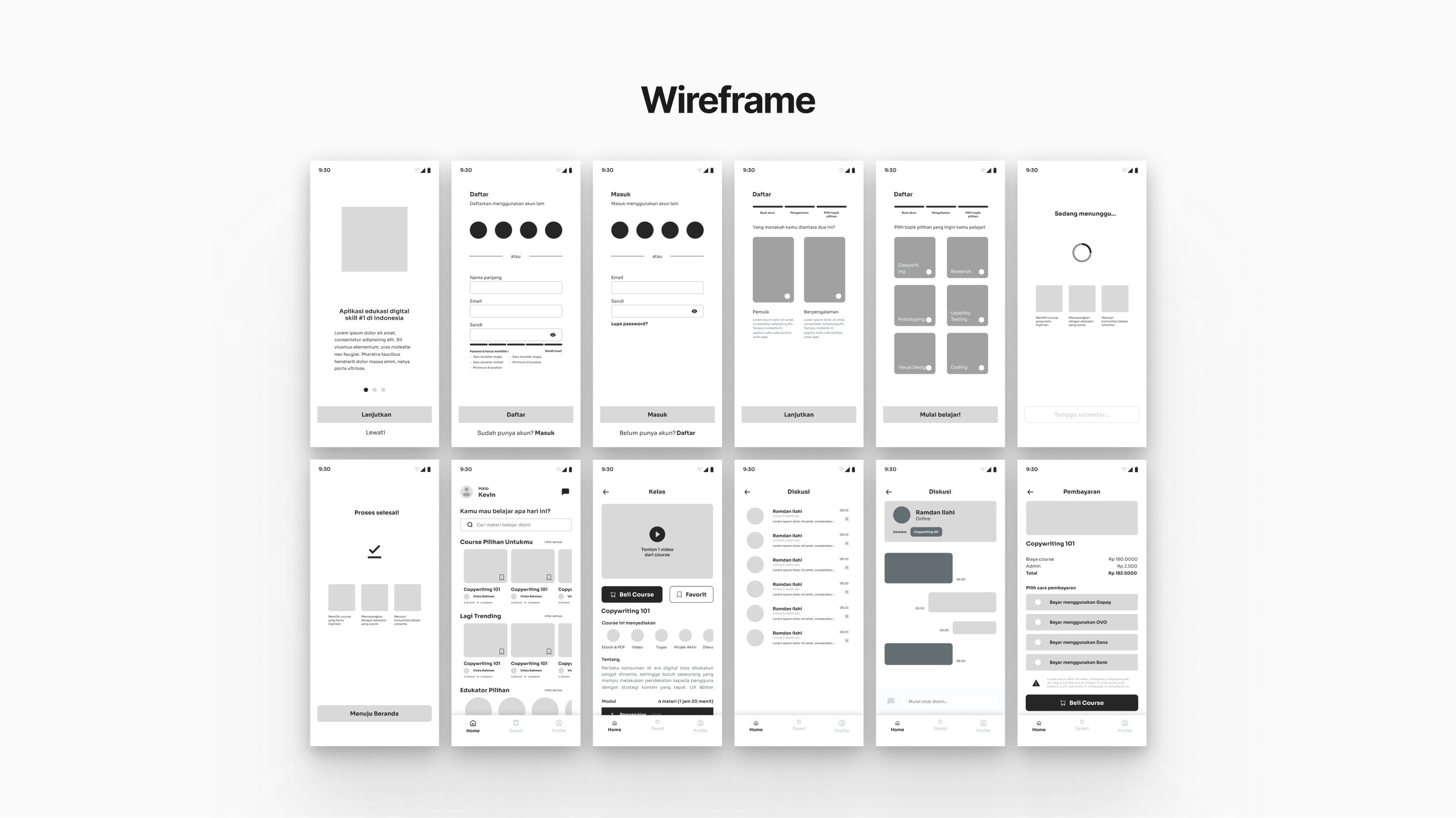
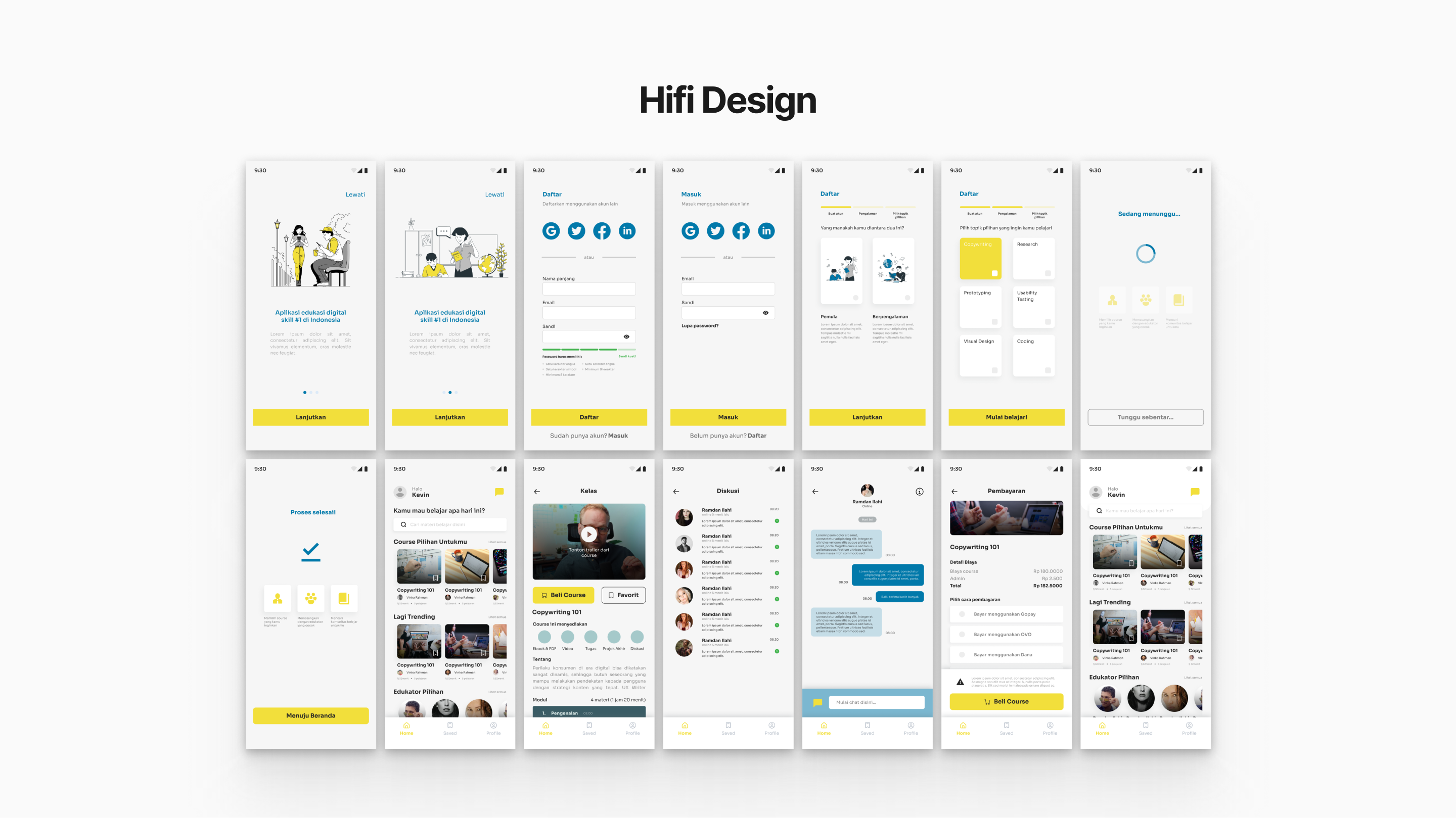
Low-fidelity wireframes and an interactive prototype were developed to visualize the user flow and validate the initial design direction.
Lessons Learned & Suggestions
Despite conducting research, several assumptions remained unvalidated due to time constraints. Allocating more time for the research phase would improve the reliability of insights.
UX projects require patience and iteration. Setting clear timeframes helps balance progress and avoid perfectionism.
Usability testing is crucial to evaluate whether implemented features truly enhance user experience and add value to the product.